Skip to content

ICYMI: Insights from my time with Vicki Sato at BIO CEO & Investor Conference

At this week’s BIO CEO & Investor Conference the idea of saving the “best for last” certainly did apply. I had the great pleasure of moderating the final fireside chat with Vicki Sato, Chairman of Denali Therapeutics and Vir Biotechnologies, and co-Chair of Mayor de Blasio’s Life Sciences Advisory Council. Vicki’s career journey in the life sciences industry is as diverse as it is impressive, and she opened up to the audience about just a few of the successes and challenges she’s encountered along the way.

In case you missed it live, I’m sharing my top 3 takeaways from this raw and inspiring session:

The life sciences/biotech industry wouldn’t exist without people who are willing to take tremendous risk.

This industry has been built on taking major risks not only in science, but also from a business and financial perspective. A persistent belief in yourself that you can always do better and taking those tough challenges on, that while ridiculous to some, are equally irresistible.

Vicki’s current risk of choice? Getting involved with companies who are focused on some of the most complex healthcare challenges of our time, including Hepatitis C and Cystic Fibrosis. “If someone doesn’t take on these diseases we won’t improve the rate of progress against them… I feel I have a scientific and moral obligation to get involved.”

New York City is ripe for “irresistible risk taking” in this industry.

NYC is already a hub for biomedical innovation – an epicenter for academia, medical institutions and both private and public funding at your fingertips. 

The city and state are now providing incentives to keep healthcare innovation companies local, versus moving to the likes of Boston or Silicon Valley, and progress is being made a rate faster than ever to make the necessary adjustments to other perceived bottlenecks, such as challenging zoning laws and expensive rent.

All the more reason we are thrilled to be partnering with the state to open the doors to our JLABS @ NYC site in June of this year!

Diversity, in all senses of the word, is critical in this business.

Cultivating a culture of diversity and inclusion in the life sciences industry was a major topic at this year’s conference. Vicki highlighted that diversity certainly impacts the bottom line of business, emphasizing that in her experience it hasn’t been necessarily “in the labs” where we’re lacking. The challenge lies in maintaining that diversity at the management and board level, especially when it comes to gender disparity.

She highlighted that diversity of ALL kinds is impactful, beyond the traditional definition. Diverse management skills, such as the ability to raise significant quantities of funding on a sustainable basis, are also key when we think about influencing this industry.

It’s conversations like this that remind me why I’m so proud to be a part of a company that is passionate about these issues. While we’ve come a long way in NYC, it’s going to take banding together as a community to ensure we’re moving the needle and enabling this ecosystem to thrive.

How to invest in biotech: A top fund manager explains

How to invest in biotech: A top fund manager explains. Biotechnology is an exciting industry, where technology creates medicine tailored to individuals. As the West’s populations age, this will become even more important. We interview Carl Harald Janson, manager of… Police appear to repeatedly hit …

The Business World Is Full of Fakers–Watch Out For These 3 Red Flags to Avoid a Scam

The business world is full of fakes and scams–watch for these 3 red flags to prevent a disaster.

Biotech Gold Rush Starts to Pick Up; Xerox, Fujifilm Saga Continues — ICYMI

Click to view a price quote on SGMO.

Click to research the Drugs industry.

Happy Valentine’s Day: Biotechnology is Good for the Heart

With today being Valentine’s Day and February being American Heart Month, there’s no better time to explore how biotechnology has benefited one of mankind’s most vital organs, the heart.

Question: When was the first American Heart Month? (read to see answer below)

On Valentine’s Day we may view the heart as a representation of love and joyfulness, but heart complications have plagued man for some time. According to the American Heart Association, in the 1960s more than half of the deaths in the U.S. were caused by cardiovascular disease. Today, heart disease is still the leading cause of death with more than 17.9 million people succumbing to the disease each year. In the future, that number is only expected to go up.

So, where does biotechnology come into play?  Well, as you probably are aware, one of the best nutrients to improve heart health is a type of fatty acid known as Omega-3. Omega-3s cannot be manufactured, so the best place to get them is through your diet. Using biotechnology, we can enhance Omega-3-rich foods to increase their availability and nutritional value.

Canola

Arguably one of the most popular oils at your local supermarket, canola oil is high in Omega-3 fatty acids. Coupled with the fact that the oil is widely used, canola oil is a common source of Omega-3s for many. Therefore, the availability of the canola plant is critical. So, to increase supply of the crop, scientists modified the canola plant to carry a trait that makes it herbicide resistant.  Before this intervention, the canola plant was highly susceptible to weeds. Farmers were forced to till the soil between yields to disrupt the growth of the weeds and protect the crops. By growing herbicide resistant canola, however, this tilling process in no longer necessary. This saves farmers both time and money and provides more time for the crop to reach its full yield potential, thus increasing crop yields and canola oil production. Because of biotechnology, canola oil is a food item that consumers can rely on to consume Omega-3s and improve heart health.

Soybean

Found in many products such as milk, oils and proteins, soybean is another popular crop that already has high levels of Omega-3 fatty acids. Thanks to biotechnology, however, scientists were able to increase the amount of Omega-3s in the crop. In 2009, the FDA ruled that soybeans modified to contain increased levels of Omega-3s are safe for human consumption and, as a result, could start serving as a substitute for other sources of the essential fatty acid.  Today, the crop is seen as a viable source of Omega-3s.

Salmon

Researchers have already made progress on improving other sources of Omega-3s, such as meats and seafood, using biotechnology. One example is the salmon, a well-known source of Omega-3s. Through biotechnology, researchers have created the AquAdvantage salmon, which grows to market size faster than conventional salmon. Once this fish hits the market, the supply of the nutrient-rich fish will likely increase, resulting in another heart-healthy food that consumers can rely on.

With the rate of heart disease not slowing down, we’ll need to continue looking at ways to improve crops, like canola and soybean, and meats and seafood, like salmon, to ensure we maintain a steady supply of Omega-3-rich foods.

Answer: In December 1963, then-President Lyndon Johnson proclaimed February as American Heart Month. The following February (1964) marked the first recognition of American Heart Month, which has been recognized every year since.

Paris Jackson Shares a Rare Home Video From Her Childhood and It’s Super Sweet

Paris Jackson shares a rare home video in honor of her brother Prince Jackson’s birthday.

The Art of the Biotech Deal at BIO CEO & Investor Conference

Professionals from all areas of biotechnology convened for the 20th annual BIO CEO & Investor Conference held at New York’s Marriott Marquis February 12th and 13th. Looking for deals, partnerships and collaborations, attendees participated in BIO One-on-One Partnering™, networked, listened and learned during a busy two days.

As one of the largest investor conferences focused on established and emerging publicly-traded and select private biotech companies, the event drew an enthusiastic group ready to make deals and find the right partners to move innovation to the marketplace. The key relationship-building was reflected in the 2,700 individual meetings that took place during the conference, scheduled through the partnering system.

We talked with several attendees to get their take on the conference

Things were very busy at BIO’s buzz center where interviews with thought-leaders focused on breakthrough technologies and the investment climate for biotechnology.

There was no shortage of twitter activity underscoring the impact of this event.

#BIOCEO18: Paradigm Shift Creating New Opportunities in China

The past few years have been a time of tremendous change in the world’s second largest market for biopharmaceuticals: China. What these changes mean for biopharmaceutical companies looking to break into the market – or find a new potential source of investment capital – was the subject of a lively panel at the opening day of the 2018 BIO CEO and Investor Conference in New York.

Moderated by BIO Executive Vice President for International Affairs Joseph Damond, the panelists included:

  • Alex Jung, Managing Director, Parthenon-EY, Ernst & Young LLP
  • Michael Keyoung, MD, PhD, Managing Director and Head of North America, C-Bridge Capital 
  • Yuwen Liu, Founding Partner, BOHE Angel Fund; former Chairwoman & CEO, Suzhou Industrial Park Biotech Development Co. Ltd. (BioBAY)
  • Hummer Mars, Executive Director, China Group, Global Investment Banking Division, NYIC
  • Kimberly Nearing, Managing Director, Head of Life Sciences, Cedrus Group
  • Dan Zhang, MD, Chairman, Fountain Medical Development

BIO’s Damond summed up the shift in his opening remarks:

“One of the things we’ve been following a lot in the past couple of years is the fact that China has been doing a lot to reform its regulatory and drug approval regime from one that is under-resourced and lagged tremendously from approval dates in the US and Europe to one that is better resourced and more aligned with regulatory practices in the developed world. And this is part of China’s goal of developing the right conditions to do drug development in China.”

As Kimberly Nearing of the Cedrus Group noted, “Western companies that are sitting on the sidelines to see what’s going to happen in China, this might be the impetus to start including China in their plans. We hear from a lot of clients, and rightly so, that the value of their assets to potential partners in China just increased because of the reduction in development time.”

C-Bridge Capital’s Michael Keyoung observed that the changes have meant a shift from focusing on me-too products to true innovation. “If you’ve followed China in the last 5 years, there’s a big dynamic shift in the past 2 years… if you’re a VC investor you invested in a different type of Chinese biotech company these past 3-4 years,” said Keyoung. “You were focused on fast followers and a different type of drug development. Now with the change of regulation, you really have to focus on innovation.”

The panelists had a few pieces of advice for those looking to break into the Chinese market. First, do your homework. Ms. Nearing stressed the importance of thorough due diligence with any potential partner, and spelling out in lengthy and explicit detail the division of labor and decision-making structure for partnerships.

Several panelists also advised finding the right strategic advisor who can guide through the complex Chinese landscape, where a clear understanding of the regulatory and investment landscape is paramount for success.

Read more coverage of the 2018 BIO CEO & Investor Conference.

26 Times The “Friends” Characters Had No Clue How To Live In An Apartment

WORST. NEIGHBORS. EVER.

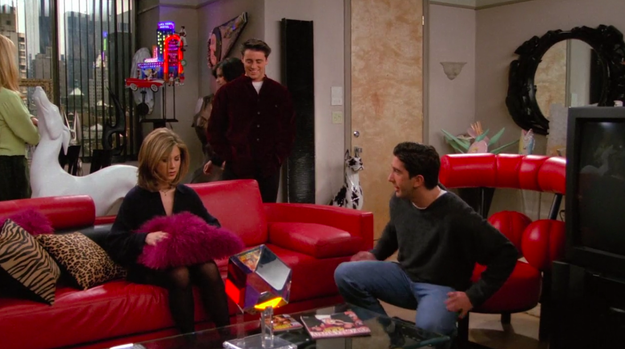
The Friends characters RENOVATE their apartments even though they don’t own them. Who does that??

The Friends characters RENOVATE their apartments even though they don't own them. Who does that??

NBC

They move out without telling their roommates, and they don’t bother to find a replacement.

They move out without telling their roommates, and they don't bother to find a replacement.

NBC

They break their lease by swapping apartments whenever they want.

They break their lease by swapping apartments whenever they want.

NBC

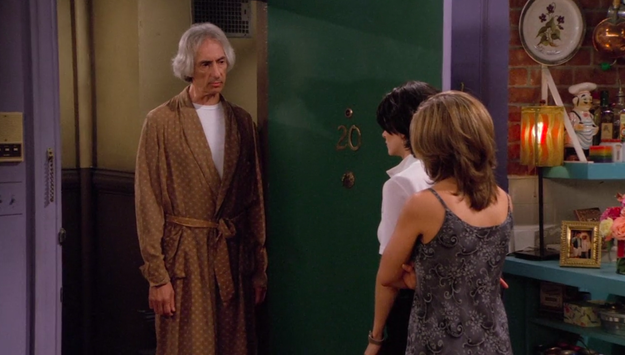
They pretend that dead people still live in their apartments, to take advantage of rent control laws.

They pretend that dead people still live in their apartments, to take advantage of rent control laws.

NBC

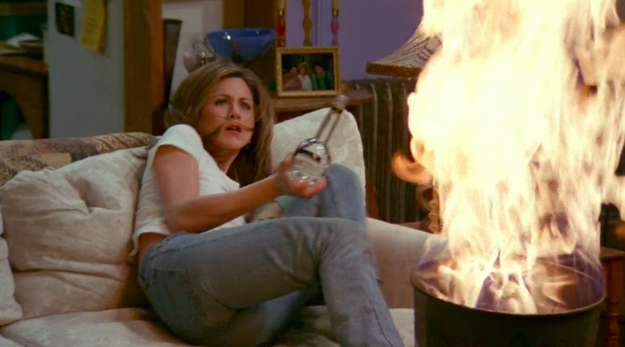
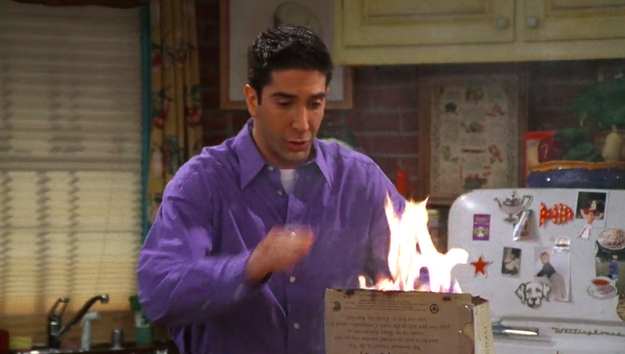
They start a lot of fires.

They start a lot of fires.

NBC

Like, a lot of fires.

Like, a lot of fires.

NBC

I mean seriously, who starts this many fires???

I mean seriously, who starts this many fires???

NBC

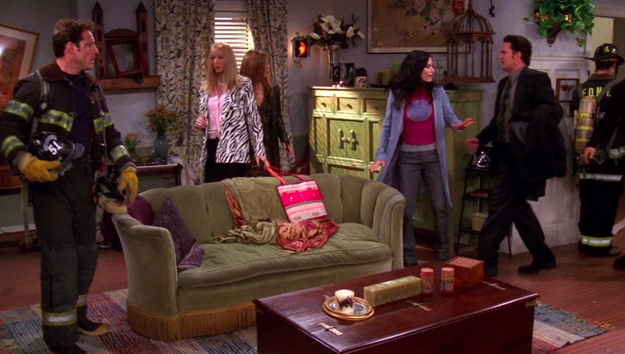
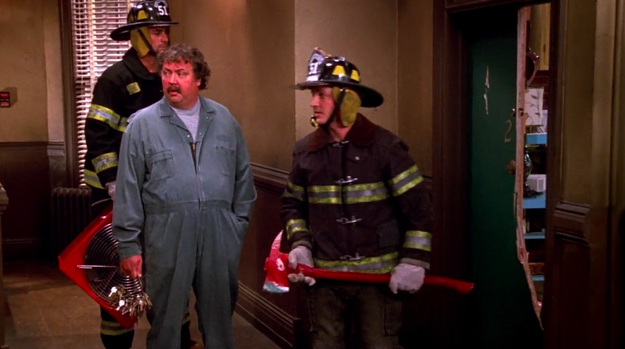
They report fake gas leaks and get doors smashed down, just because they don’t have a key.

They report fake gas leaks and get doors smashed down, just because they don't have a key.

NBC

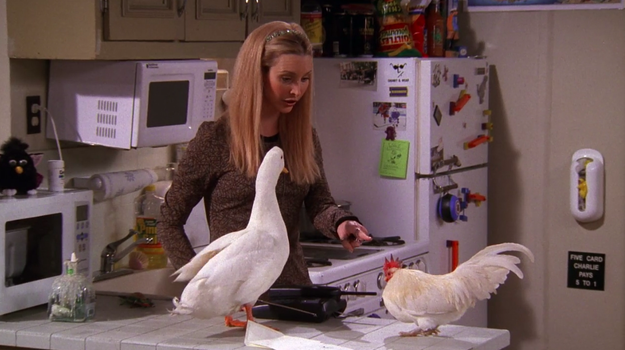
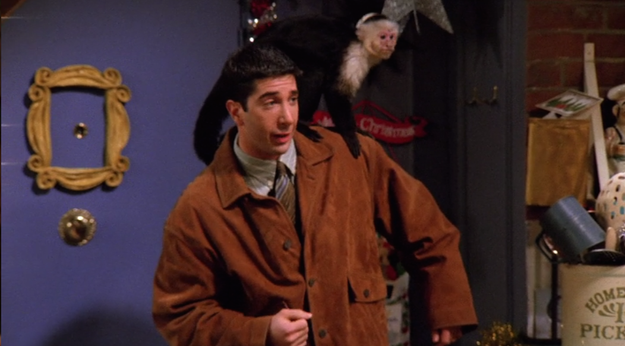
They keep exotic animals in their apartments, which is super illegal.

They keep exotic animals in their apartments, which is super illegal.

NBC

…not to mention, kind of dangerous???

...not to mention, kind of dangerous???

NBC

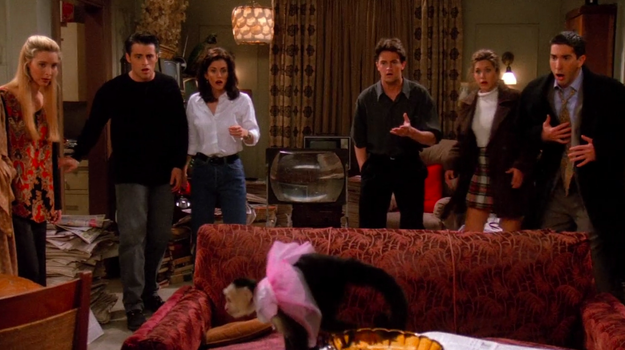
Sometimes their animals break loose from their apartments, and just roam around the building.

Sometimes their animals break loose from their apartments, and just roam around the building.

NBC

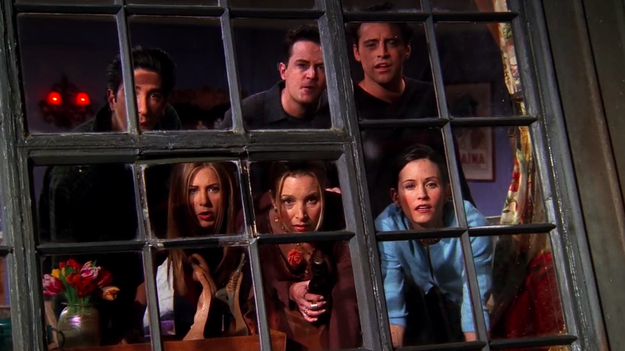
The friends spy on their neighbors ALL. THE. TIME.

The friends spy on their neighbors ALL. THE. TIME.

NBC

They make up nasty nicknames for them.

They make up nasty nicknames for them.

NBC

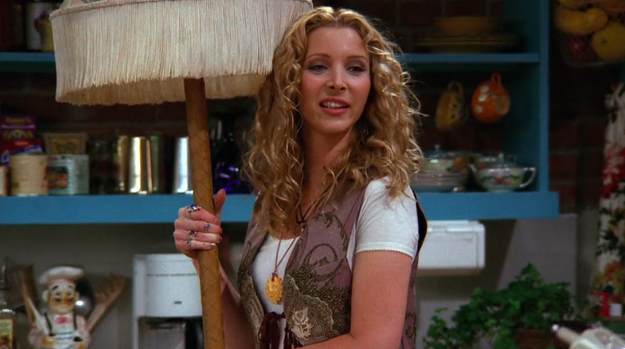
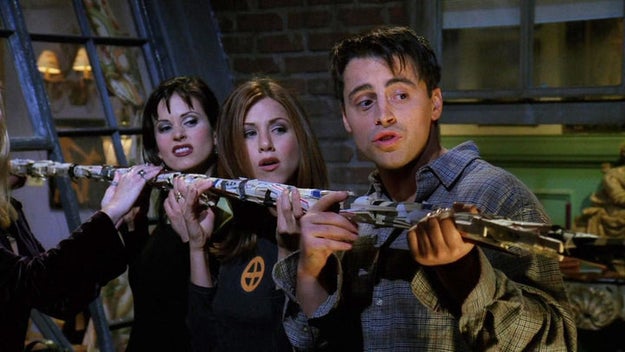
…and harass them with giant poking devices.

...and harass them with giant poking devices.

NBC

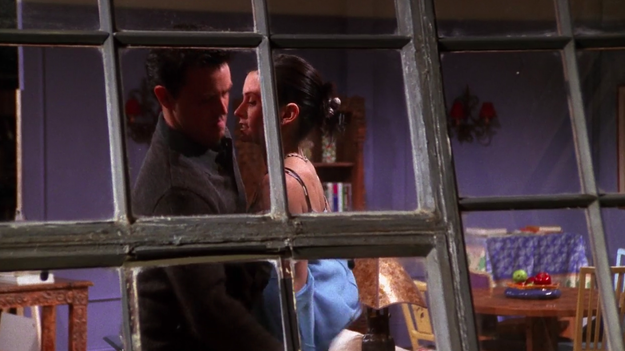
They have sex without shutting the blinds, but then complain about other neighbors being naked.

They have sex without shutting the blinds, but then complain about other neighbors being naked.

NBC

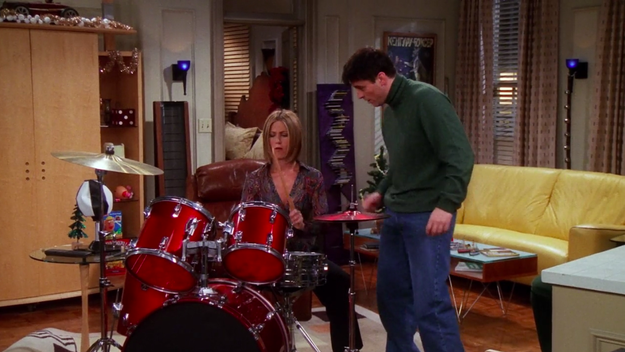
The friends are LOUD.

The friends are LOUD.

NBC

So loud, it literally killed a man.

So loud, it literally killed a man.

NBC

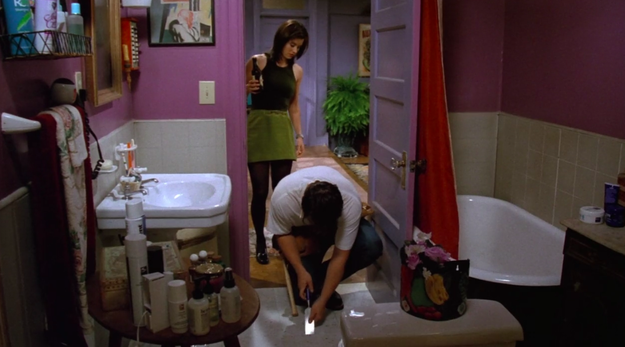
They do noisy construction projects throughout the day.

They do noisy construction projects throughout the day.

NBC

Suffice it to say, they’re never getting their security deposits back.

Suffice it to say, they're never getting their security deposits back.

NBC

They get stupidly fancy apartments as soon as they score a big paycheck.

They get stupidly fancy apartments as soon as they score a big paycheck.

NBC

…and then break the lease when they realize they can’t actually afford them.

...and then break the lease when they realize they can't actually afford them.

NBC

They’re constantly having loud personal conversations in the hallway.

They're constantly having loud personal conversations in the hallway.

NBC

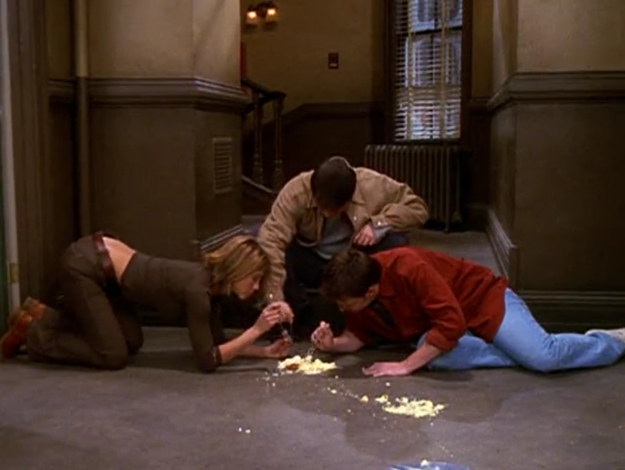
And they make huge messes there, too.

And they make huge messes there, too.

NBC

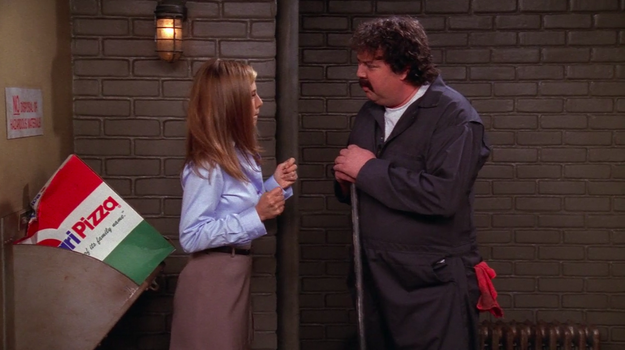
In fact, they leave messes in a lot of common spaces.

In fact, they leave messes in a lot of common spaces.

NBC

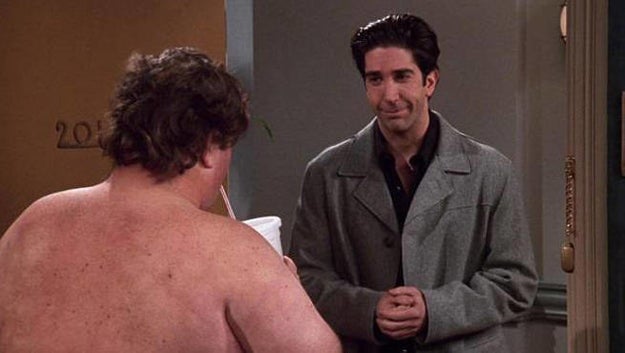
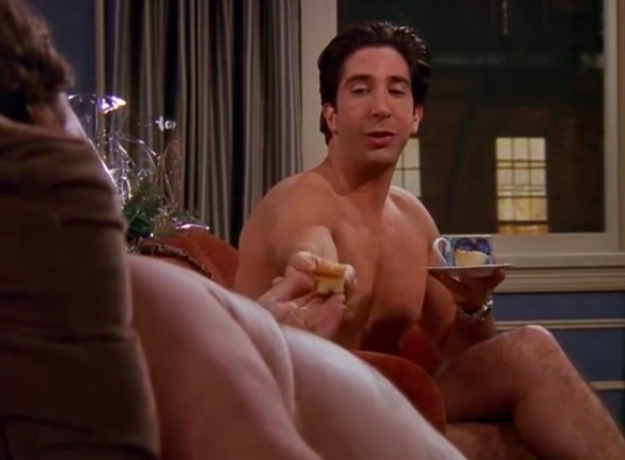
Instead of applying to apartments like normal, well-adjusted adults, they try to bribe the person by getting naked.

Instead of applying to apartments like normal, well-adjusted adults, they try to bribe the person by getting naked.

NBC

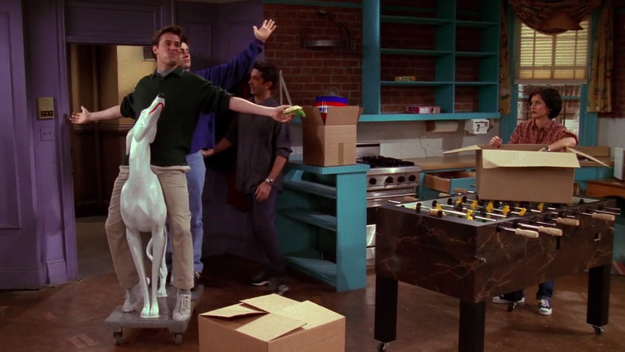
And finally, they create absolute chaos when they’re moving in.

And finally, they create absolute chaos when they're moving in.

NBC

Will somebody teach these folks how to live in an apartment, please???

Will somebody teach these folks how to live in an apartment, please???

Whatever, still love ’em.

NBC

Watch These Biotechs and the FDA Calendar

Click to view a price quote on DVAX.

Click to research the Drugs industry.